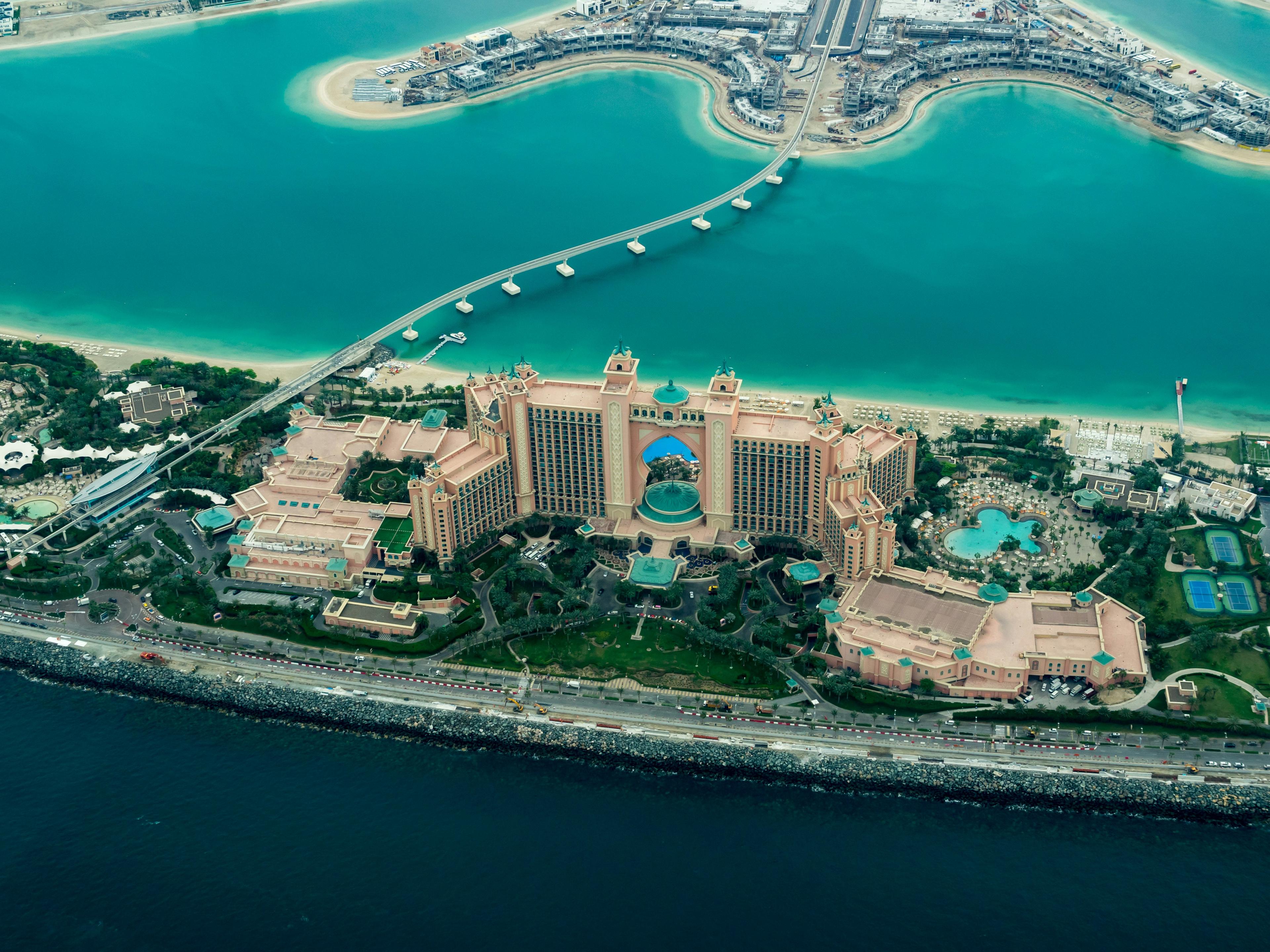
The UAE hospitality sector has always understood experience as a business asset. What is changing now is the machinery behind that experience. Restaurants, hotels, beach clubs, wellness studios, members clubs, and luxury retail environments are becoming laboratories for hospitality technology.
The shift is practical. Operators are under pressure to deliver higher standards with tighter labor markets, more demanding guests, rising rents, and a customer base that expects everything to feel immediate. The old playbook of location, interiors, menu, and service is no longer enough. The best hospitality businesses now need data, workflow systems, loyalty design, private community tools, procurement intelligence, and better communication across front and back of house.
That creates an unusually strong opening for founders.
Hospitality is an operating problem
Hospitality looks glamorous from the outside, but inside the business it is a system of tiny margins and constant exceptions. A fully booked restaurant can still lose money. A hotel can have beautiful rooms and broken staff workflows. A wellness brand can have demand and still struggle with retention.
This is why hospitality-tech in the UAE is becoming more interesting. The opportunity is not to make hospitality less human. The opportunity is to remove the operational drag that prevents teams from delivering consistently.
Startups are beginning to attack scheduling, reservations, payments, procurement, guest data, loyalty, creator partnerships, staff training, and demand forecasting. Some products are narrow, but that is often a strength. Hospitality operators do not need abstract platforms. They need tools that solve visible pain quickly.
Dubai as a proving ground
Dubai is a particularly useful market because hospitality here is both competitive and international. A new restaurant might serve residents, tourists, investors, founders, creators, and executives in a single evening. Standards are high. Switching costs are low. Word travels fast.
That pressure gives founders better feedback. If a product improves table yield, reduces no-shows, simplifies supplier management, or increases repeat visits, operators notice quickly. If it adds another dashboard without changing the business, it dies quietly.
The city also gives startups access to a wide range of formats: luxury hotels, independent restaurants, cloud kitchens, nightlife groups, wellness clubs, beach destinations, family entertainment concepts, and branded residences. A founder can test in one segment and adapt for another without leaving the market.
The customer relationship is being rebuilt
The most interesting hospitality technology may be around ownership of the customer relationship. For years, many operators depended heavily on platforms, aggregators, and social media for discovery. Those channels still matter, but they can weaken direct relationships.
UAE operators are becoming more sophisticated about first-party data, private WhatsApp communities, membership layers, event programming, and loyalty systems that feel less like discount mechanics and more like access.
This matters because the premium customer does not want to be treated like a generic profile. They want recognition, convenience, and taste. Technology can help operators deliver that without turning the experience into a cold transaction.
Why founders should pay attention
Hospitality-tech has not always attracted the same attention as fintech or AI, but in the UAE it may become one of the most commercially grounded startup categories. Operators have clear pain. The market is dense. Buyers are visible. The region is expanding its hospitality footprint aggressively.
There is also export potential. A product proven in Dubai can carry credibility in Riyadh, Doha, Manama, London, Singapore, and other premium service markets. UAE hospitality is not only a domestic industry. It is a reference point.
The strongest founders in this category will probably come from close to the work: former operators, product leaders embedded in hospitality groups, procurement specialists, revenue managers, and founders who understand both software and service culture.
A more serious category
The next wave of UAE hospitality companies will not be defined only by famous chefs, imported brands, or expensive interiors. It will be defined by operating systems.
The businesses that win will understand guest data without abusing it, automate workflows without flattening service, and build communities that convert attention into repeat revenue.
Hospitality-tech in the UAE is not a niche story. It is a window into how the region builds premium consumer businesses at scale.