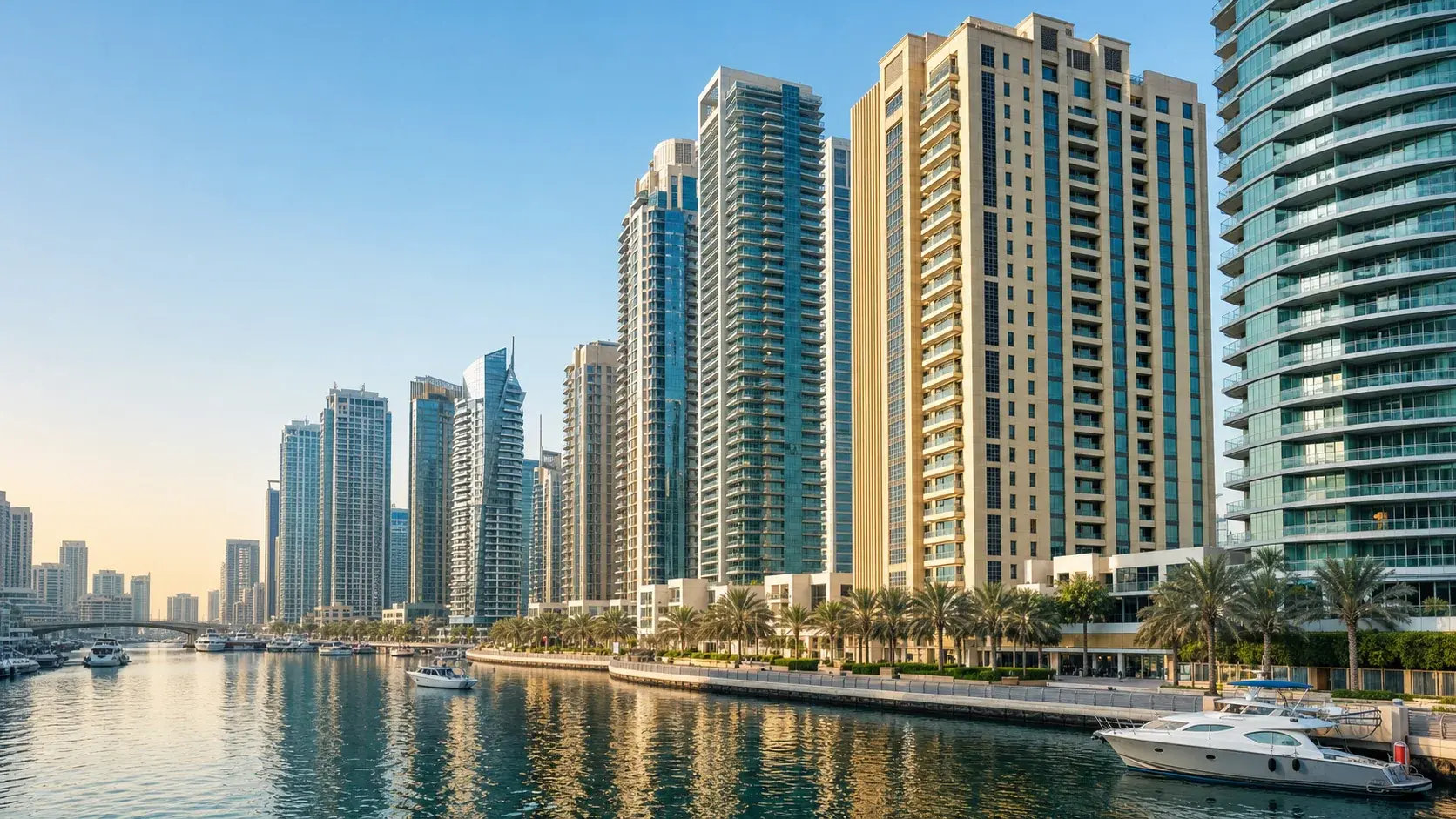
Dubai Launches ‘Flexi Rent’ Scheme: Tenants Can Now Pay Monthly Instead of Upfront
Dubai’s new Flexi Rent initiative lets eligible tenants use monthly, quarterly or other agreed payment plans, reducing the pressure of large upfront rental cheques.
The UAE business & capital publication for operators
Founder stories, capital moves, startup signals, technology shifts, hospitality systems, and business culture from across the UAE.

Dubai’s new Flexi Rent initiative lets eligible tenants use monthly, quarterly or other agreed payment plans, reducing the pressure of large upfront rental cheques.

After proving the model in Dubai, Portl is preparing to expand into Marbella, London, Manchester, Barcelona and more — with a bigger vision to become the real-time social discovery layer for where people go, who they meet and what experiences they choose.

Dubai is producing a growing number of successful consumer technology companies, from Careem and Dubizzle to Property Finder and Portl.

Dubai-founded startup Portl has surpassed 100,000 downloads as it expands its social discovery platform across hospitality and entertainment markets.

Dubai is no longer just a market for ambitious founders. It is becoming a launch system, a capital corridor, and a global operating base in one city.

Dubai South is becoming a long-horizon growth story, linking aviation, logistics, master-planned communities, and the next phase of end-user demand.

The UAE’s restaurants, hotels, beach clubs, wellness spaces, and members clubs are becoming a serious testbed for the next generation of hospitality technology.

Branded residences have moved from luxury novelty to a serious development strategy across the UAE’s premium property market.

UAE founders are operating in a market where decisions, pilots, hiring, partnerships, and expansion conversations often happen at a pace Europe struggles to match.

Dubai property is attracting global capital because it combines yield, liquidity, lifestyle, tax efficiency, and a growth story investors can understand.

Dubai understands attention as infrastructure. The city converts visibility into tourism, capital, partnerships, talent, real estate demand, and new company formation.

Dubai’s brokerage sector has become a high-velocity sales machine, powered by social media, off-plan demand, international buyers, and relentless lead conversion.

A more serious operator class is forming in the UAE, shaped by scaleups, hospitality groups, family businesses, agencies, banks, and global companies.

Dubai’s best agents are no longer only selling units. They are building audience, trust, market education, and distribution around property.

For founders in the UAE, media is becoming more than press. It is a distribution layer for trust, hiring, capital, customer education, and category creation.

The UAE luxury property market is a machine of developers, brokers, architects, hospitality brands, private bankers, and global buyers.

Dubai developers have turned launch marketing into a high-velocity operating system where brand, brokers, events, and international buyer psychology move together.

A new class of property creators is changing how buyers discover Dubai projects, compare districts, and build trust with brokers.

Abu Dhabi’s property market is expanding with a quieter rhythm, shaped by cultural districts, family capital, institutional planning, and long-term residential demand.

Off-plan has become one of Dubai’s defining property engines, linking developer finance, broker distribution, investor psychology, and city expansion.

As Dubai’s luxury market matures, architecture is becoming a sharper signal of developer ambition, buyer confidence, and long-term asset quality.

Family offices are approaching UAE property with a more strategic lens, balancing yield, residency, capital preservation, and exposure to regional growth.

The UAE’s urban growth is closely linked to sovereign ambition, infrastructure investment, and the long-term institutional shaping of districts.

A new generation of brokerage founders is building sales organisations that look more like media, training, and data companies than traditional agencies.

Behind the UAE’s premium hospitality growth is a class of operators managing brand, service, real estate, staffing, and private customer relationships.

Dubai’s members clubs are becoming social infrastructure for founders, investors, creatives, operators, and internationally mobile executives.

AI is entering UAE real estate through valuation tools, lead scoring, customer service, building operations, and market intelligence.

Ports, airports, industrial zones, and road networks are shaping where capital, development, and operating companies cluster across the Emirates.

The UAE’s next company-building advantage may come from operators who understand sales, service, capital, regulation, and regional execution.

Dubai property does not need more noise. It needs sharper media that can explain markets, challenge weak claims, and build trust with serious capital.

The next phase of UAE business coverage should focus less on ambition and more on the operators, systems, and capital decisions making growth real.